
Mathura, the eternal birthplace of Lord Krishna, is a city where every stone, every breeze, and every ripple in the Yamuna River echoes with divine love and devotion.
Among the countless spiritual experiences that this holy land offers, the Yamuna Aarti stands as one of the most profound and visually enchanting rituals.
Performed daily on the sacred banks of the Yamuna, this ceremony is a heartfelt tribute to Maa Yamuna, revered as a goddess who nurtures life, purifies sins, and serves as Lord Krishna’s eternal companion in his divine leelas.
In 2026, as pilgrims continue to flock to Braj Bhoomi for spiritual renewal, attending the Yamuna Aarti remains an unmissable part of any Mathura-Vrindavan yatra.
Whether you are searching for “Yamuna Aarti Mathura timings,” “Vishram Ghat aarti schedule,” “best time to see Yamuna Aarti in Mathura,” or simply seeking a deeper understanding of its spiritual essence, this detailed guide covers everything you need to know.
From exact location and current timings to mythological significance, practical tips, and ways to enhance your experience, we explore why this ritual touches the soul of every devotee.
The Yamuna Aarti is a harmonious blend of light, sound, and devotion. Priests dressed in traditional attire stand on a raised platform, waving large multi-wicked brass lamps filled with ghee in circular motions before the river.
The air resonates with the deep sound of conch shells, rhythmic ringing of bells, melodious chanting of Vedic mantras, and devotional bhajans such as the famous “Om Jai Yamuna Mata.”
Devotees gather on the ghat steps, many floating small earthen diyas on betel leaves adorned with flowers, creating a breathtaking sea of flickering lights drifting gently on the river’s surface.
This daily worship not only honors the river but also reminds us of the sacred bond between nature, divinity, and humanity.
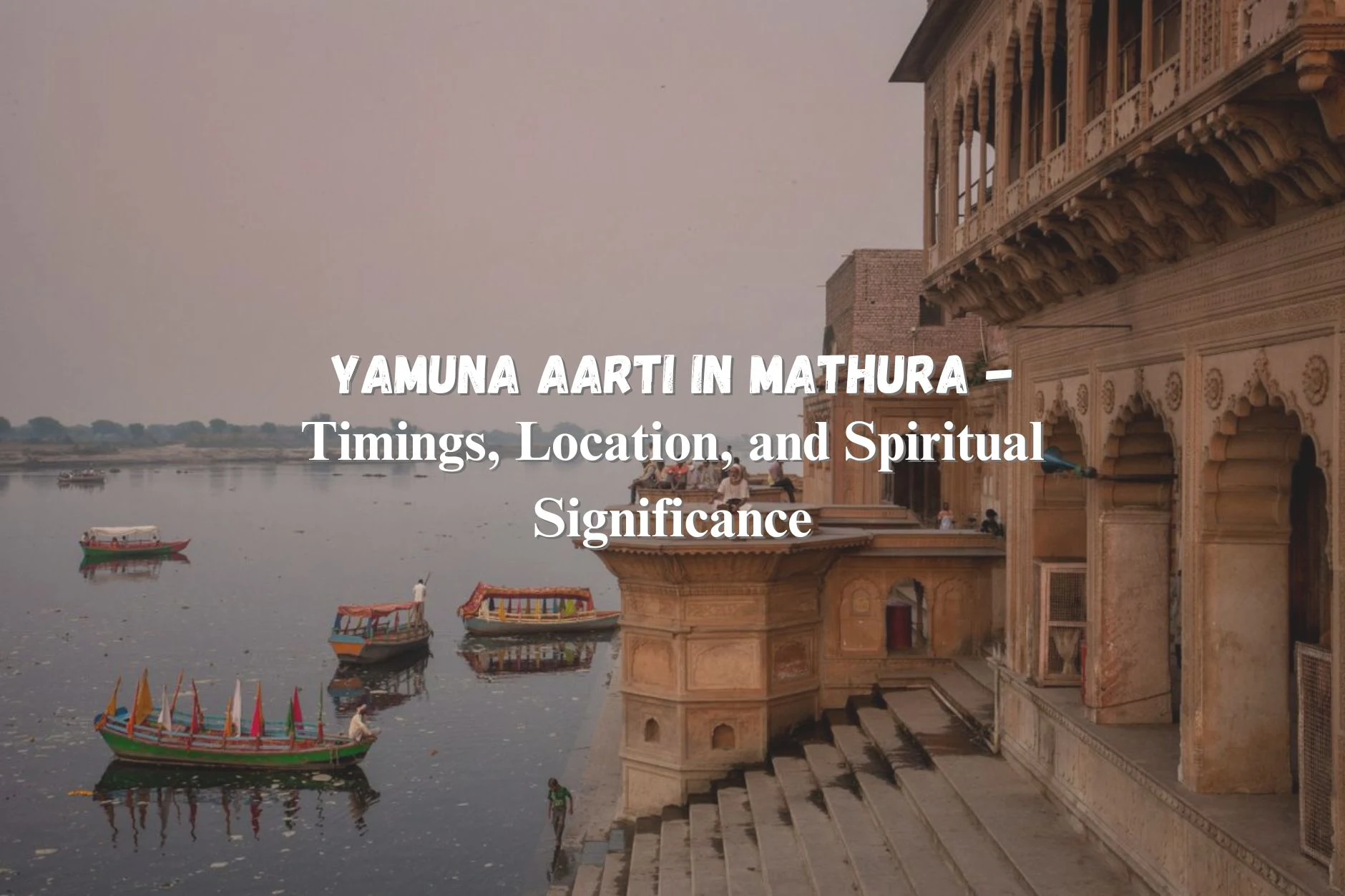
While smaller aartis take place at various ghats across Mathura and Vrindavan, the most grand, historic, and widely attended Yamuna Aarti occurs at Vishram Ghat in Mathura.
This makes Vishram Ghat the undisputed centerpiece for experiencing the true magnificence of the ritual.
“Yamuna Maiya flows not just with water, but with the nectar of Krishna’s eternal love – her aarti awakens that love within every heart.”
Location: Vishram Ghat – The Sacred Epicenter of Yamuna Aarti
Vishram Ghat, sometimes spelled Visram Ghat, is the most important of the 25 ghats that line the Yamuna River in Mathura.
It is considered the spiritual heart of the city and holds immense religious significance.
The name “Vishram” comes from the Sanskrit word meaning “rest.” According to ancient scriptures and local tradition, after Lord Krishna defeated and slayed his wicked maternal uncle Kansa in Mathura, he returned to this very spot to rest and wash away the fatigue of battle.
Thus, Vishram Ghat symbolizes the victory of dharma over adharma, peace after struggle, and divine relaxation.
The ghat is centrally located and easily identifiable:
- Full Address: Vishram Ghat, Vishram Bazar, Choubey Para, Mathura, Uttar Pradesh 281001.
- Surrounding Attractions:
- Dwarkadhish Temple (just a 5-minute walk away)
- Krishna Janmasthan Temple Complex (approximately 2 km)
- Small ancient temples on the ghat itself, including Murali Manohar Temple, Langali Hanuman Temple, and Yamuna-Dharmraj Temple
- Traditional markets selling puja items, flowers, diyas, and prasad nearby
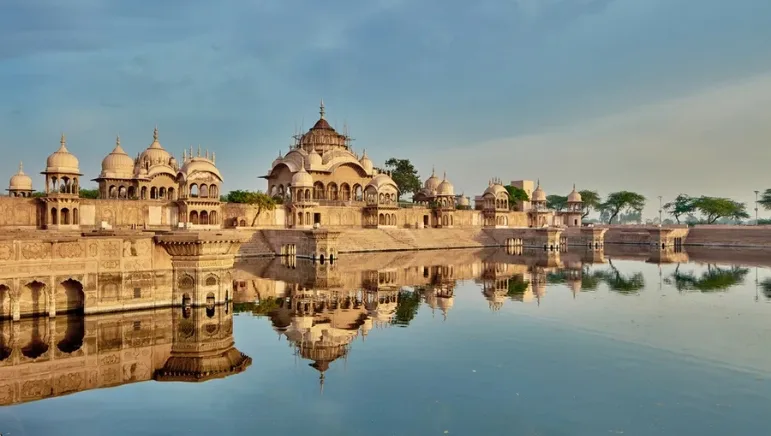
The architecture of Vishram Ghat features wide stone steps leading down to the river, flanked by ancient arches and pavilions.
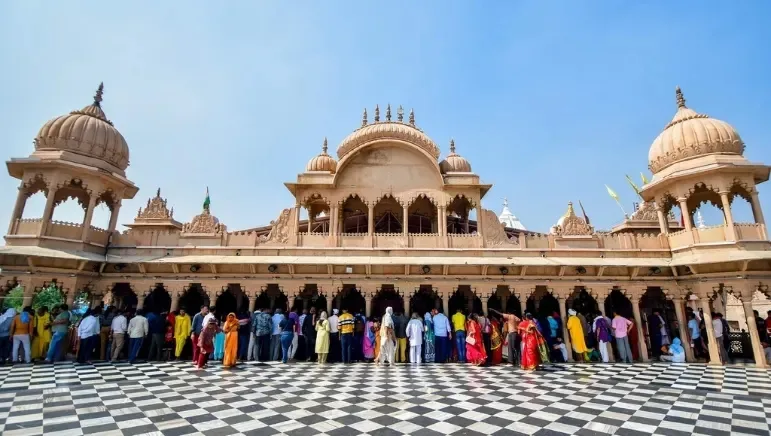
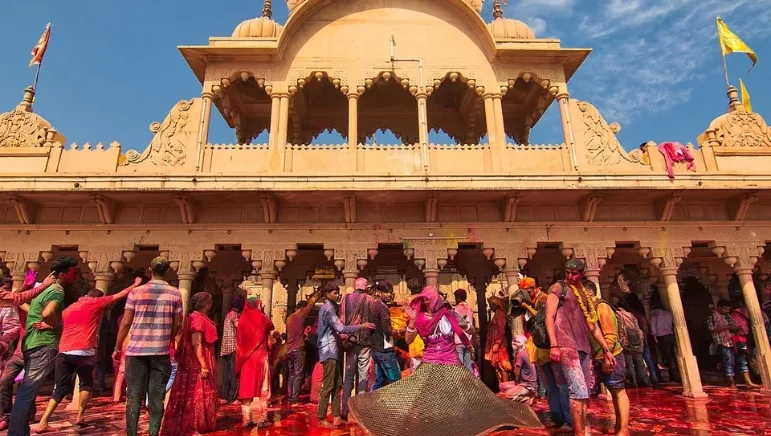
The atmosphere is always alive with pilgrims taking holy dips, priests performing rituals, boatmen offering rides, and sadhus chanting prayers.
The ghat serves as the traditional starting and ending point for the Mathura Parikrama, a sacred circumambulation covering key holy sites in the city.
Timings Summary Table
| Aarti Type | Summer Timing | Winter Timing | Approximate Duration | Key Characteristics |
|---|---|---|---|---|
| Morning (Mangala Aarti) | 6:00 AM – 7:15 AM | 6:30 AM – 7:00 AM | 15–30 minutes | Quiet and peaceful; ideal for holy bath, chanting, and meditation |
| Evening (Sandhya Aarti) | 7:00 PM – 7:30 PM | 6:45 PM – 7:15 PM | 30–45 minutes | Grand and vibrant; large crowds, floating diyas, lamps, and mesmerizing lights |
“Each diya floated during Yamuna Aarti carries a prayer to Maa Yamuna: wash away my burdens and guide me to Krishna’s lotus feet.”
How to Reach Vishram Ghat Easily
Mathura’s excellent connectivity makes reaching Vishram Ghat convenient from anywhere:
- By Train: Mathura Junction is the main railway station, located just 3-4 km from Vishram Ghat. Auto-rickshaws, e-rickshaws, or cycle rickshaws are readily available (fare ₹50-100, 10-15 minutes).
- From Krishna Janmabhoomi Temple: About 2 km – easily walkable or a short rickshaw ride.
- From Vrindavan: 12-15 km via the main Bhaktivedanta Swami Marg road. Travel time is 30-45 minutes by taxi, auto, or tempo.
- From Delhi: Approximately 150 km via Yamuna Expressway (3-4 hours drive).
- From Agra: Around 60 km (1-1.5 hours drive).
For a comfortable, safe, and hassle-free journey – whether airport transfers, full-day sightseeing, or dropping off at Vishram Ghat precisely for the evening aarti – Mathura Taxi Service offers reliable and professional transportation. You can contact them at mathurataxiservice@gmail.com, call +91 9634616363, or book online at mathurataxiservice.com.
“At Vishram Ghat, where Krishna found rest, the Yamuna Aarti teaches us that true peace comes only through surrender to the Divine.”
Yamuna Aarti Timings in Mathura (Accurate for 2026)
The Yamuna Aarti is conducted twice daily: a serene morning session and the grand evening spectacle. Timings are adjusted according to seasonal sunrise and sunset variations to align with natural rhythms.
Morning Yamuna Aarti (Mangala Aarti)
- Summer Months (April to September): Starts around 6:00 AM and continues until approximately 7:15 AM
- Winter Months (October to March): Starts around 6:30 AM and concludes by 7:00 AM
The morning aarti is intimate and peaceful, often accompanied by devotees taking a holy dip (snan) in the Yamuna for purification. It sets a calm tone for the day and is ideal for those seeking quiet reflection.
Evening Yamuna Aarti (Sandhya Aarti) – The Highlight
- Summer: Generally begins at 7:00 PM and lasts until 7:30 PM
- Winter: Starts slightly earlier, at around 6:45 PM to 7:15 PM
The evening aarti is the most popular and lasts 30-45 minutes. It draws large crowds, especially tourists and families, who arrive early to secure good viewing spots on the steps.
The ritual reaches its peak as the sun sets, with the sky turning golden and hundreds of floating diyas illuminating the river.
During major festivals and auspicious days – such as Yamuna Jayanti, Bhai Dooj (the day after Diwali), Kartik Purnima, or Janmashtami – the aarti becomes extraordinarily elaborate, with additional priests, more lamps, and thousands of devotees participating.
Note: While these timings are standard and consistent year after year, minor adjustments may occur based on local announcements. It’s advisable to confirm on arrival or check with nearby temples.
Deep Spiritual Significance of Yamuna Aarti
The Yamuna Aarti is far more than a beautiful ceremony – it is a profound act of reverence rooted in Hindu mythology, philosophy, and devotion.
Mythological Foundation
Yamuna Devi is personified as the daughter of Surya Dev (Sun God) and sister of Yama (God of Death).
In Krishna’s life, she played a pivotal role: when baby Krishna was being carried across the river to Gokul, Yamuna rose to touch his feet but parted at Vasudeva’s prayer.
Later, during rasa leela, she facilitated Krishna’s divine dances. Honoring her through aarti strengthens the devotee’s bond with Krishna.
Vishram Ghat’s significance stems directly from the Mahabharata era episode of Krishna slaying Kansa. After the battle, Krishna and Balaram bathed and rested here, sanctifying the spot forever.
Symbolic and Philosophical Meaning
- Purification: The Yamuna is one of India’s seven sacred rivers. Bathing in her waters or offering aarti is believed to cleanse karmic impurities, remove sins accumulated over lifetimes, and pave the way for moksha.
- Gratitude to Nature: In an era of environmental awareness, the aarti reminds us to respect rivers as life-givers rather than resources to exploit.
- Light Over Darkness: Waving lamps symbolize offering knowledge and devotion to dispel ignorance. Floating diyas represent surrendering one’s ego, worries, and attachments to the divine flow.
- Special Blessings: On Bhai Dooj, siblings who bathe together here receive protection from untimely death. Devotees believe sincere participation grants health, prosperity, longevity, and spiritual progress.
Witnessing the aarti often evokes deep emotions – tears of joy, goosebumps from the chants, and a sense of timeless peace.
Many describe it as a moment when the veil between the material and divine worlds thins.
Practical Tips for an Enriching Yamuna Aarti Experience
To make your visit memorable and meaningful:
- Arrival Time: Reach 45-60 minutes early for the evening aarti to get a good seat on the steps.
- Participation: Purchase ready-made diyas with flowers from nearby vendors (₹10-50) and float them with personal prayers.
- Boat Ride Option: Many boatmen offer rides (₹50-300 per person) that allow you to view the aarti from the middle of the river – a unique and highly recommended perspective.
- What to Wear: Modest, comfortable clothing; carry a shawl for evenings.
- Etiquette: Remove footwear before stepping onto the ghat, maintain silence during the ritual, and avoid flash photography.
- Safety: Watch for monkeys (keep food and valuables secure), stay hydrated, and be cautious on wet steps.
- Combine with Other Activities: Visit Dwarkadhish Temple for evening darshan afterward, or explore the bustling Vishram Bazar for local sweets like peda.
- Best Season: October to March offers pleasant weather; avoid peak summer heat.
Conclusion: Let Yamuna Aarti Touch Your Soul
The Yamuna Aarti at Vishram Ghat is a divine spectacle that combines beauty, devotion, mythology, and spirituality into one unforgettable experience.
Whether you attend the serene morning ritual or the grand evening ceremony, it will leave you with a profound sense of peace and connection to Lord Krishna’s holy land.
In 2026, make this ritual a cornerstone of your Mathura pilgrimage – arrive with an open heart, participate fully, and let Maa Yamuna’s blessings flow into your life.
For effortless travel planning and transportation, rely on Mathura Taxi Service (mathurataxiservice@gmail.com | +91 9634616363 | mathurataxiservice.com). May your visit to Vishram Ghat be filled with divine grace and lasting spiritual joy.
FAQs
Q1: What is Yamuna Aarti in Mathura?
A: Yamuna Aarti is a sacred evening ritual performed on the banks of the holy Yamuna River, where priests offer lamps, incense, flowers, and Vedic chants to Goddess Yamuna, seeking purification, peace, and divine blessings.
Q2: Where is the Yamuna Aarti performed in Mathura?
A: Yamuna Aarti is primarily performed at Vishram Ghat, the most sacred ghat in Mathura. This is the place where Lord Krishna is believed to have rested after defeating Kansa.
Q3: What is the timing of the Yamuna Aarti in Mathura?
A: Yamuna Aarti usually takes place daily at sunset, generally between 6:00 PM and 7:30 PM, depending on the season. It is advisable to reach the ghat at least 20–30 minutes early to secure a good spot.
Q4: Is Yamuna Aarti performed every day?
A: Yes, Yamuna Aarti at Vishram Ghat is performed daily throughout the year. On special occasions like Janmashtami, Kartik Purnima, Dev Uthani Ekadashi, and Yamuna Jayanti, the aarti is conducted on a much grander scale.
Q5: What is the spiritual significance of the Yamuna Aarti?
A: According to Hindu beliefs, Goddess Yamuna is the sister of Yama (the god of death). Performing or witnessing Yamuna Aarti is believed to wash away sins, grant spiritual liberation, and bring peace to ancestors, especially when combined with prayers and deep devotion.
Q6: Can devotees participate in the Yamuna Aarti?
A: Yes, devotees can participate by offering diyas, flowers, and prayers. Many pilgrims light small lamps and float them on the river as a symbolic act of surrender and gratitude.
Q7: Is there any entry fee for the Yamuna Aarti in Mathura?
A: No, there is no entry fee to attend the Yamuna Aarti. However, devotees may voluntarily donate for diyas, flowers, or temple maintenance.
Q8: What is the best time of year to attend Yamuna Aarti?
A: Yamuna Aarti can be attended year-round, but the most spiritually vibrant period is during Kartik month (October–November) and major festivals when the ghats are beautifully decorated with lamps and devotional music.
Q9: How long does Yamuna Aarti last?
A: The aarti generally lasts 20 to 30 minutes, followed by bhajans and quiet prayer time. Many devotees remain longer to absorb the peaceful riverfront atmosphere.
Q10: Is Yamuna Aarti suitable for senior citizens and families?
A: Yes, Yamuna Aarti is suitable for families, senior citizens, and children. The ghat has wide steps and seating areas, though assistance is recommended for elderly visitors during crowded festival days.

Leave a Reply